Durden and Ray Fellows are respected former members of our collective who continue to be affiliated with us, and work to keep our collective strong.

Durden and Ray Fellows are respected former members of our collective who continue to be affiliated with us, and work to keep our collective strong.
BRIAN THOMAS JONES is a multidisciplinary artist living and working in Los Angeles
IMPERMANENCE
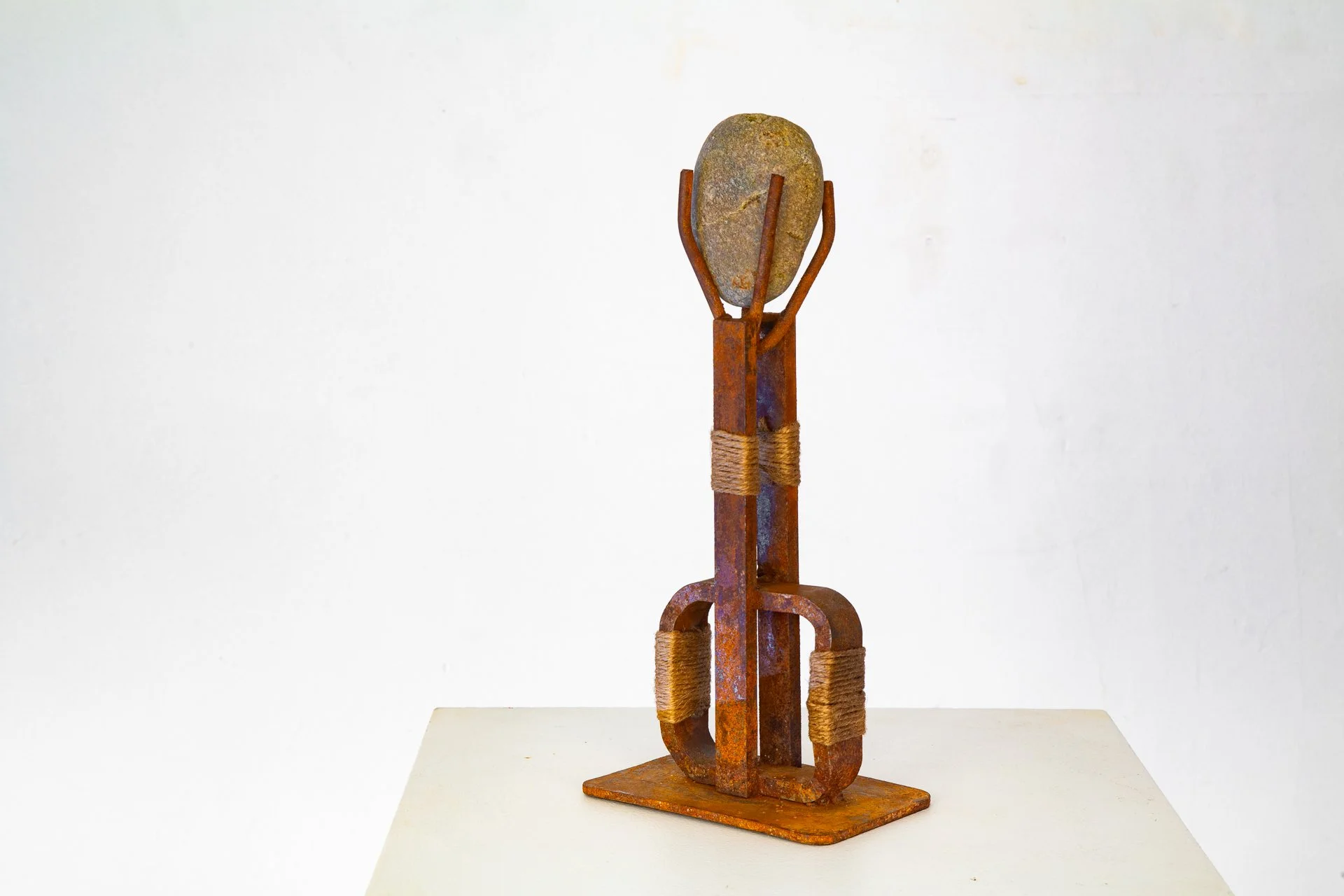
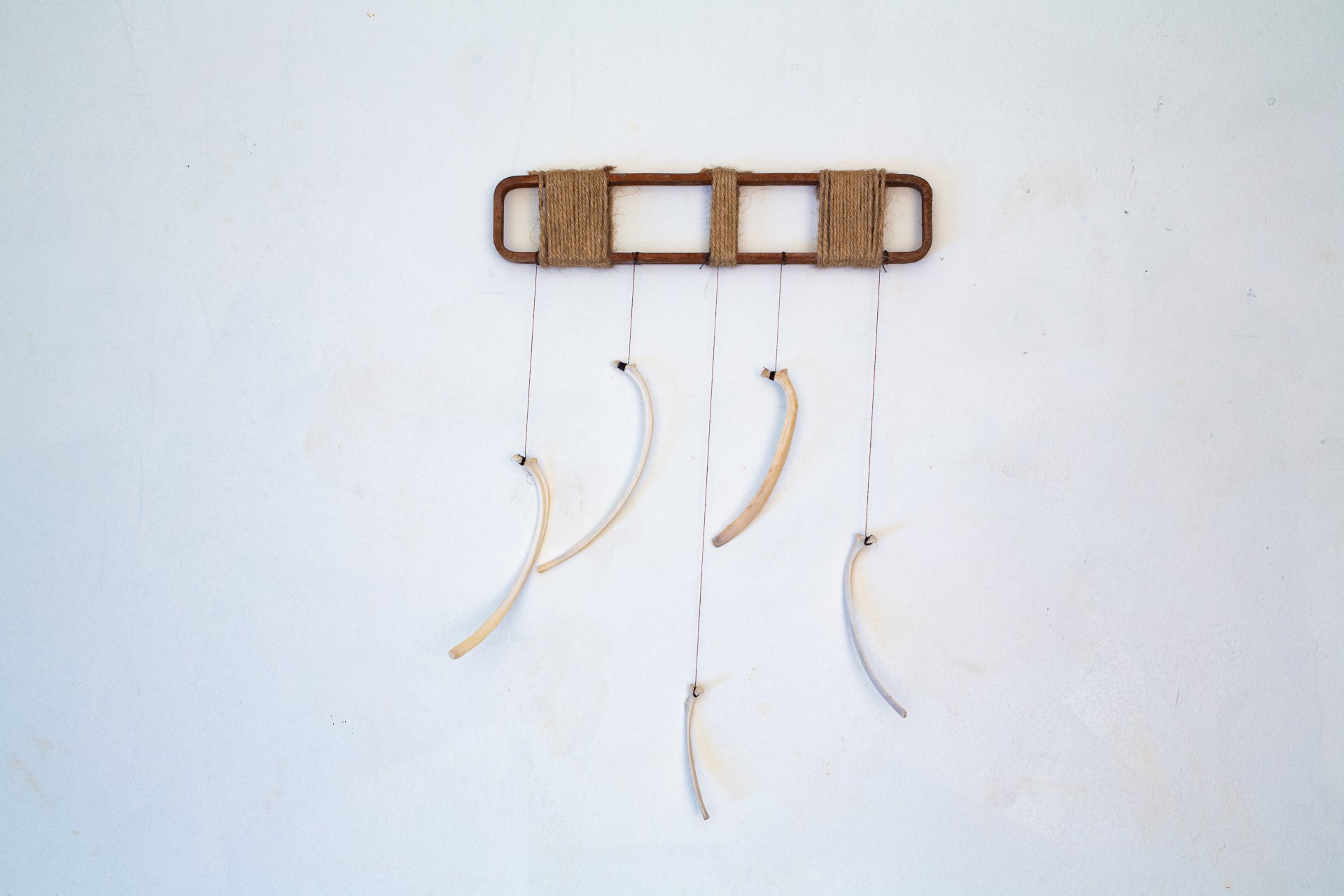
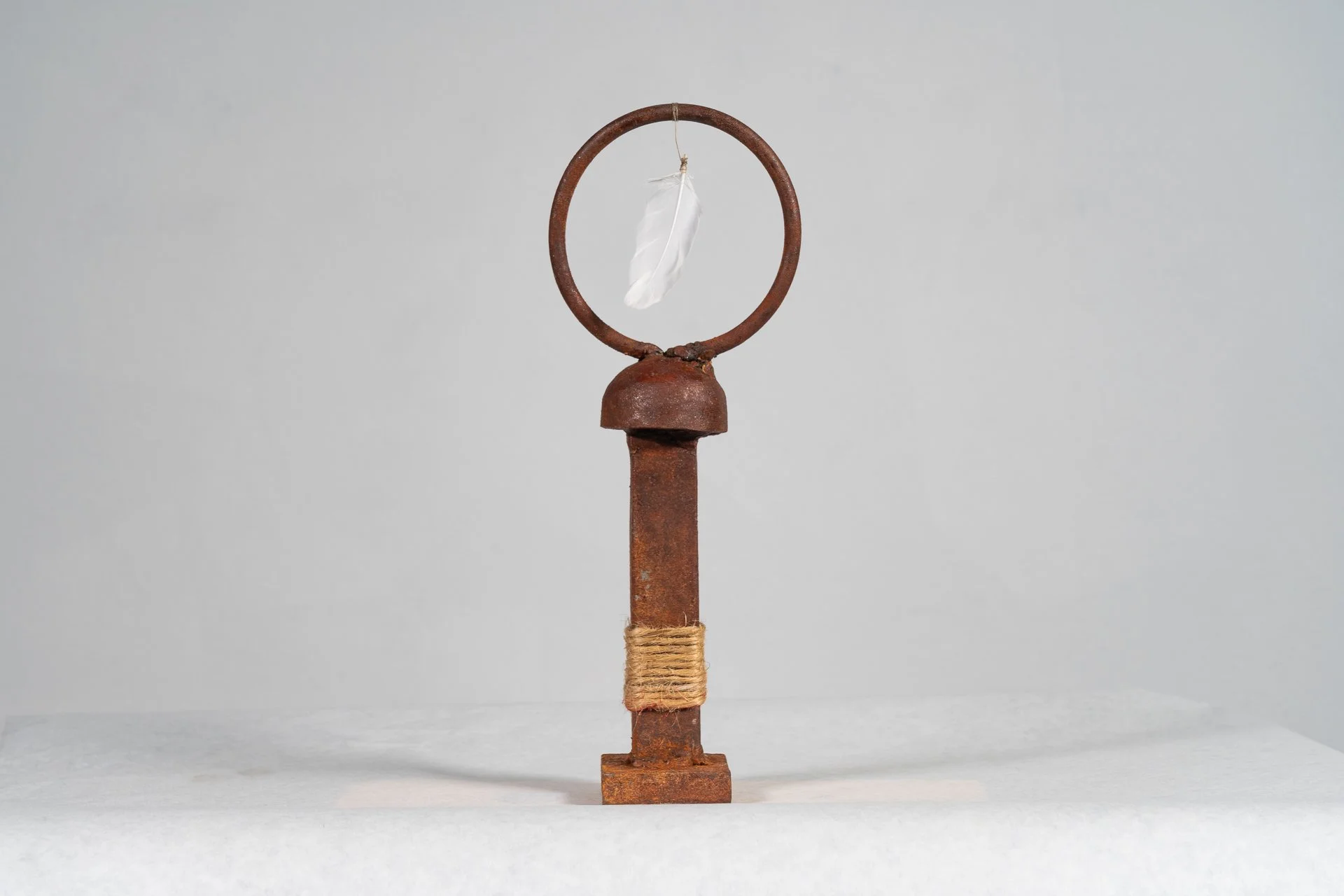
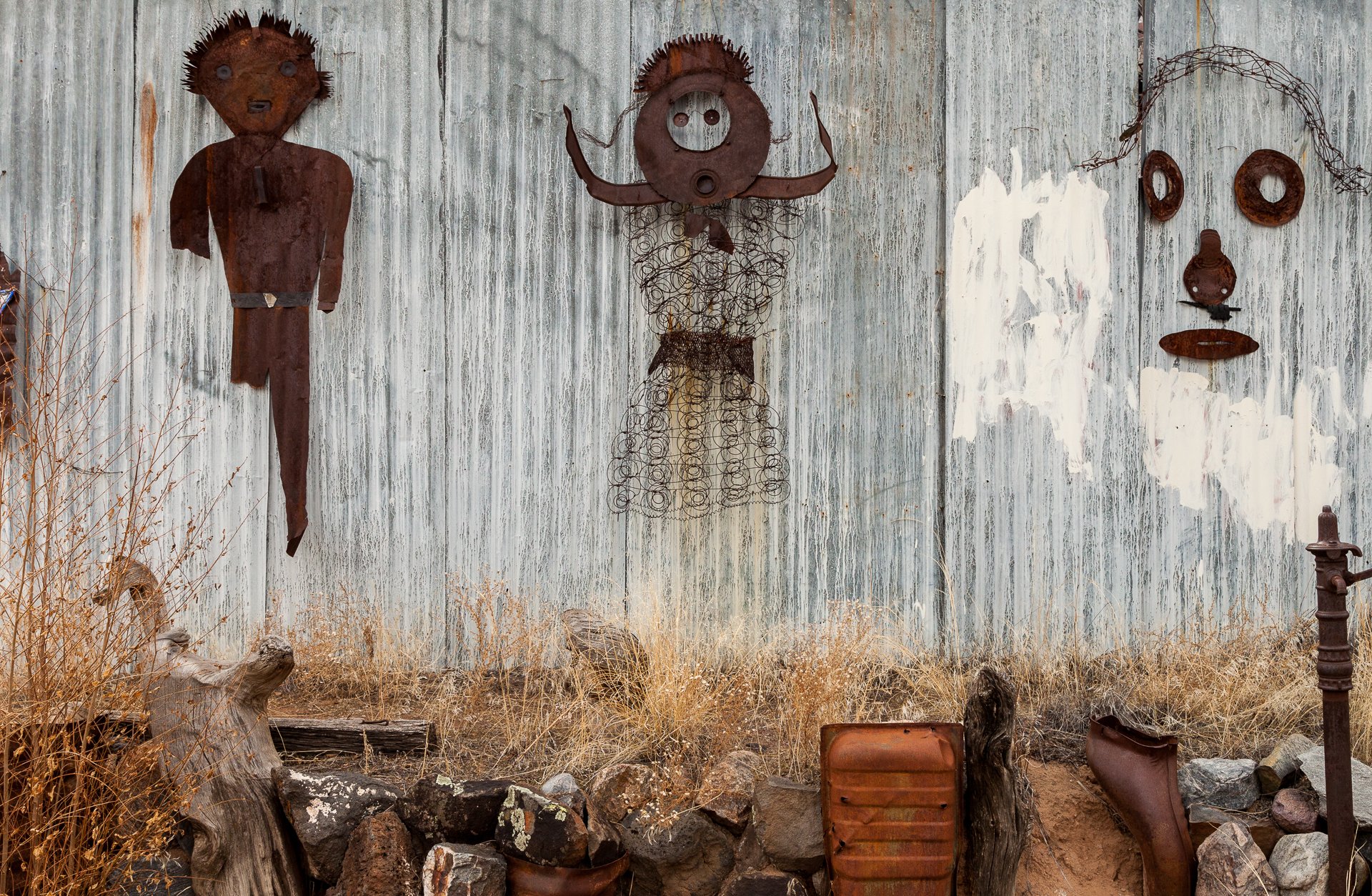
As I grow older, I’m becoming ever more conscious of mortality – my own, my friends and family, both living and dead. As such, I’ve embraced the Japanese art of impermanence, wabi sabi, as a major influence on my current work. The three basic tenants are – nothing lasts, nothing is finished, nothing is perfect.
Through these ideas I’m drawn to the dissonance of organic and inorganic materials juxtaposed in 3D assemblage. The selection and arrangement of the materials is intuitive, approached with no preconceived thoughts of construction. Each piece evolves through my joy in the process of experimentation until something resonates within me. I don’t consider the object complete; I just feel when it’s time to stop. I’ve also added these influences to the photographic elements of my practice where content is determined by philosophy.
Using these tenets, I am freed from the need of fetish finish since the piece is destined for eventual destruction. Therefore, the making of the art for me is a temporal experience, one to be enjoyed as an end in itself, until my own eventual demise.
My work is a non-linear narrative that focuses on the experiences of womanhood through paint, material, and sculpture. The conversation between these formal elements creates an abstract space integrating domestic structures, psychological atmosphere, and theatricality. The resulting landscape hovers between claustrophobic destruction and vast meditative expanses representing the influence of societal pressures on the psyche. Although disparate the two occasionally unite as architectural rubble and found objects are lovingly interwoven in a healing gesture. In this hybrid space characters are permitted to unabashedly act out inner fears or desires associated with the home, career, and motherhood. The paintings become facilitators for navigating the frail equilibrium of inner monologue and outer influence.
2016, Acrylic, tempera, collage, organza, and found objects
2016, Acrylic, collage, matches, and a nail on canvas
2014, Acrylic and collage on canvas
2015, Acrylic, collage, wire, organza and copper on canvas
2016, Acrylic, collage, baby blanket, crochet, tulle, and bed sheet
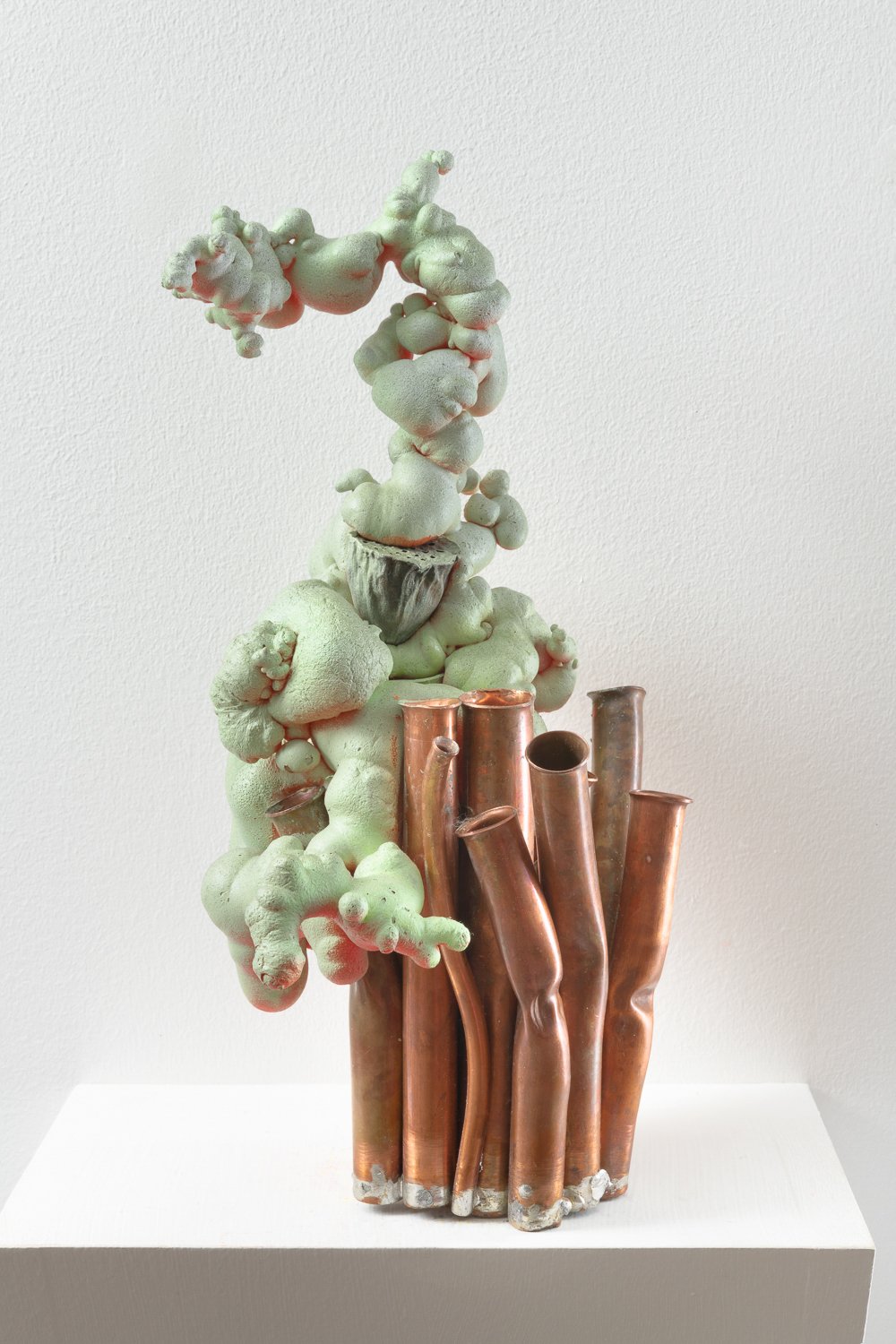
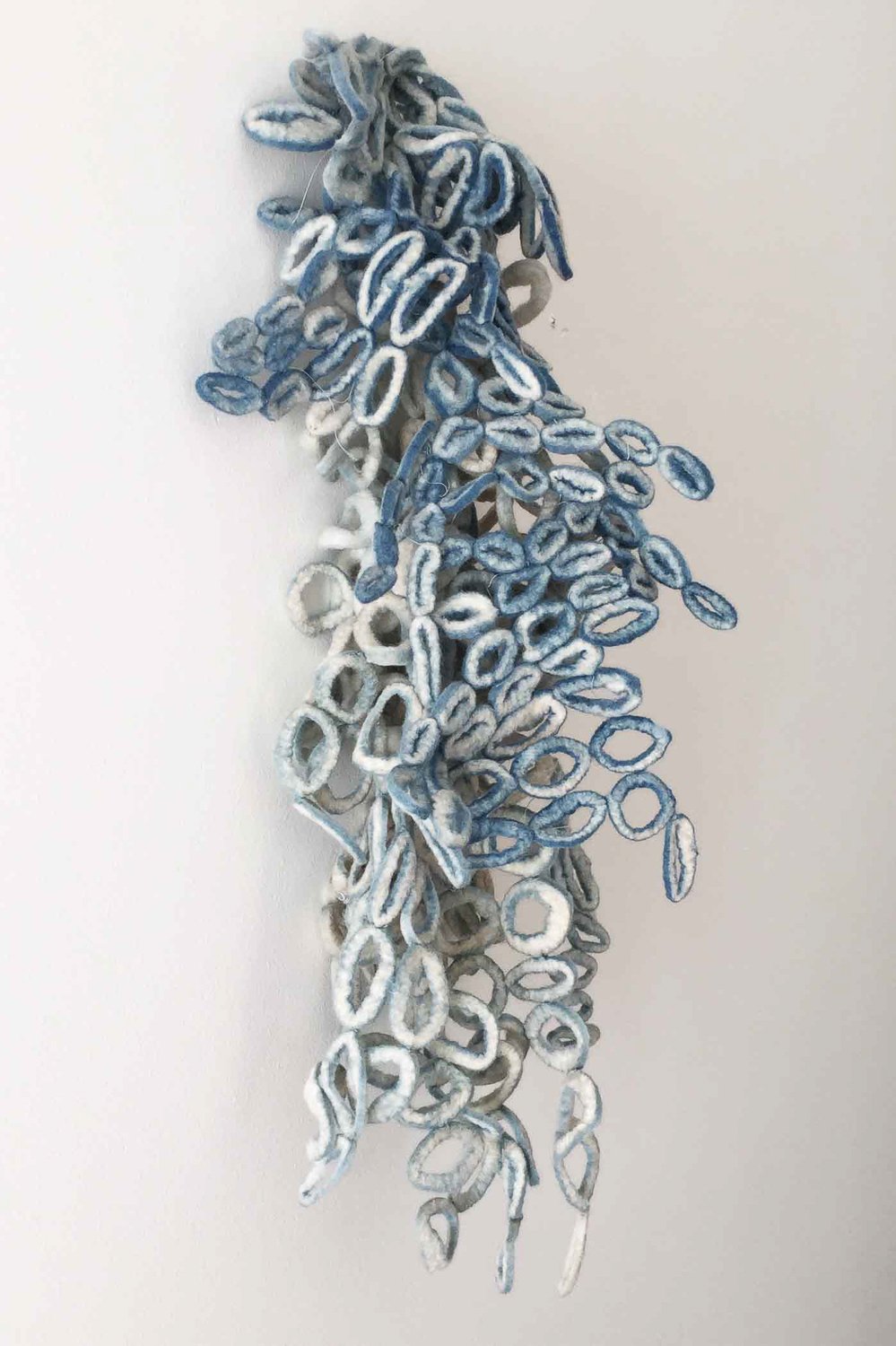
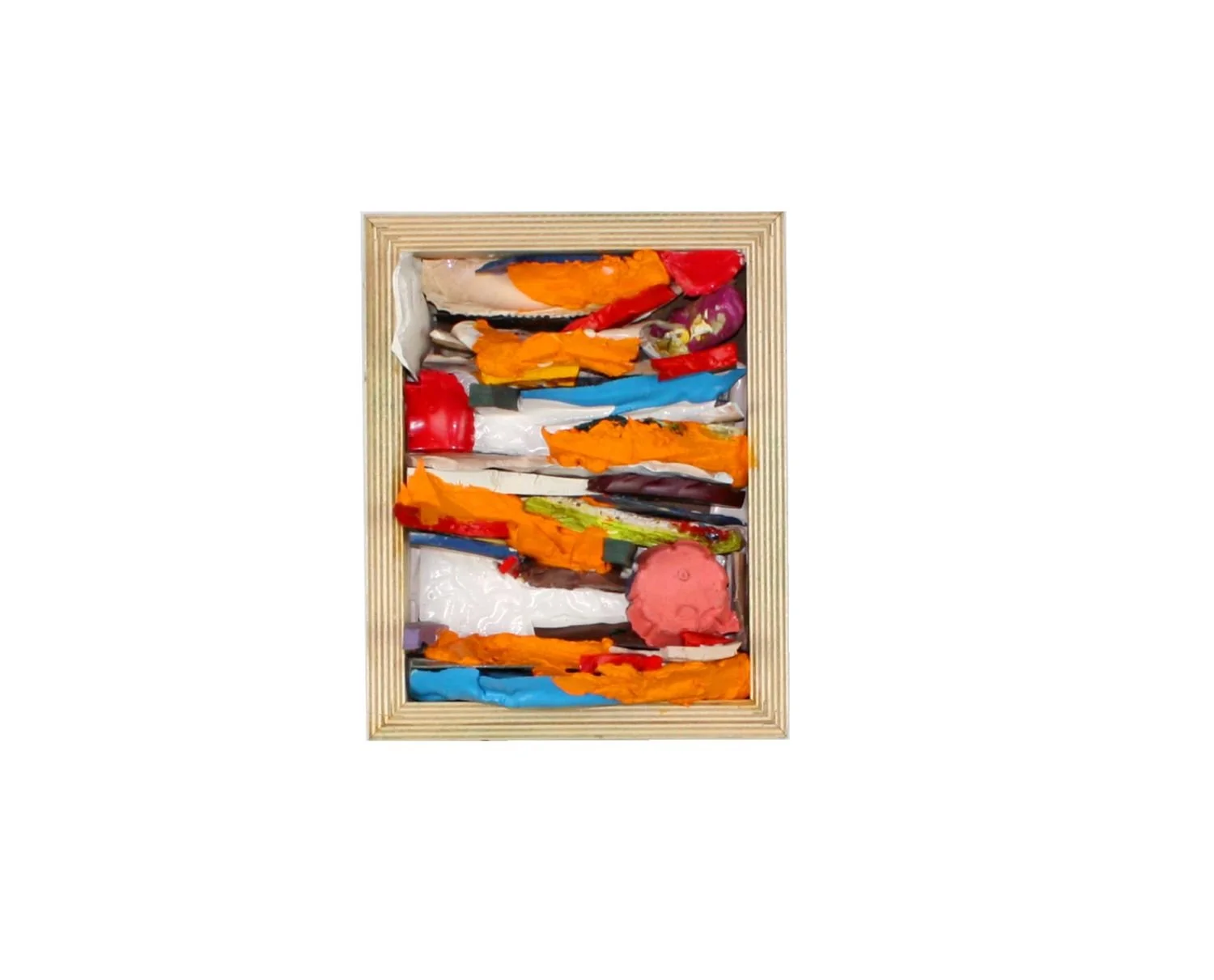
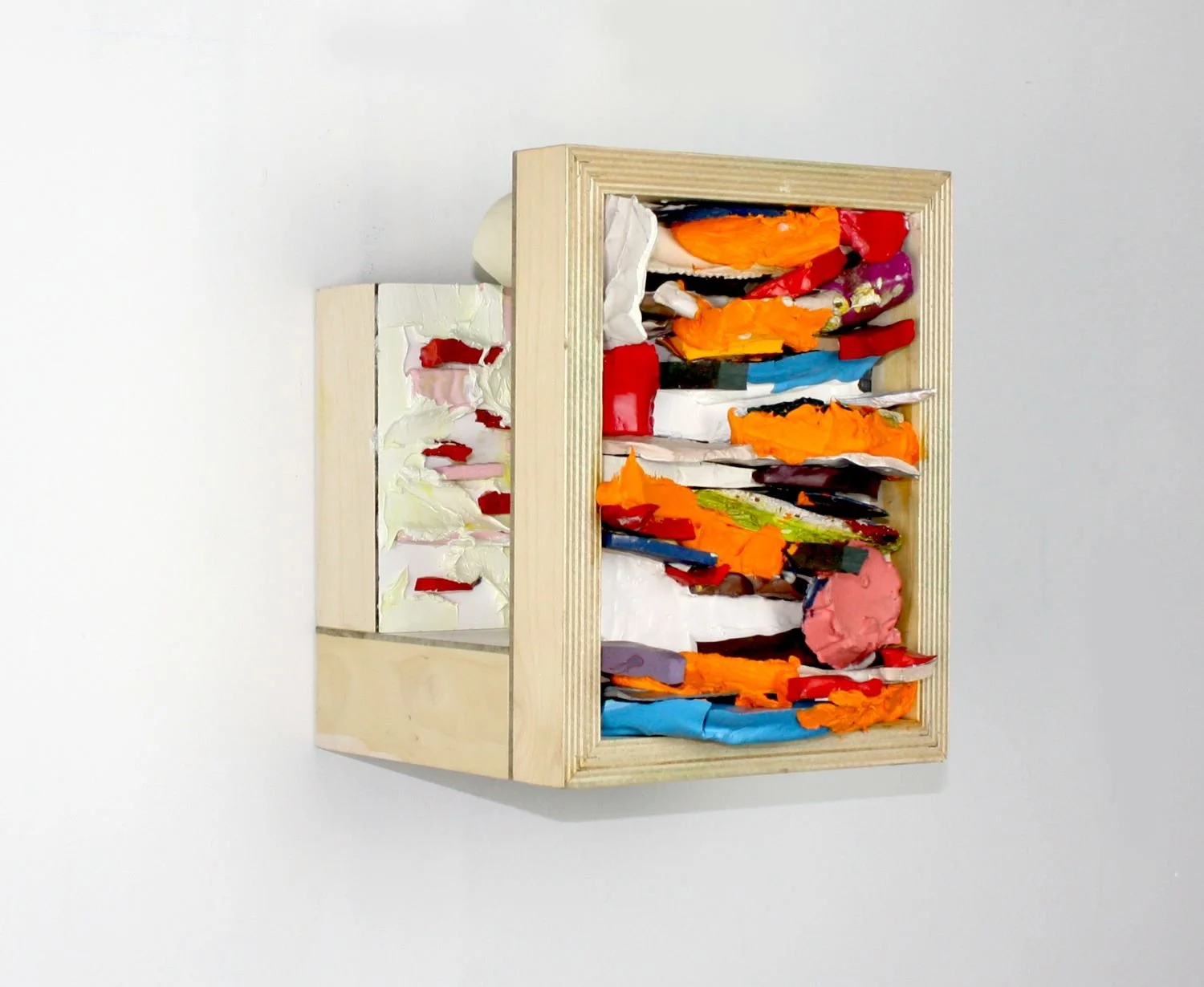
Los Angeles-based artist Carolyn Mason works primarily in sculpture using a variety of materials from wool to pinecones to expandable foam. Her work reflects a fascination with botanical and regenerative forms.
Born in Walnut Creek, CA, Mason received her MFA degree in Sculpture from Mills College in 2005. She has exhibited at Torrance Art Museum, Mt. St. Mary’s University, the Laband Art Gallery at Loyola Marymount University as well as in a solo exhibition at Winslow Garage (all Los Angeles, CA). She has curated an exhibition at the Torrance Art Museum and is a recipient of the Fellows for Contemporary Arts (FOCA) Curator’s Lab. Mason has been awarded residencies at the Vermont Studio Center, for which she also received a fellowship, and at Nocefresca in Italy. Her work has been featured in Surface Design Journal and Fiber Art Now among others.
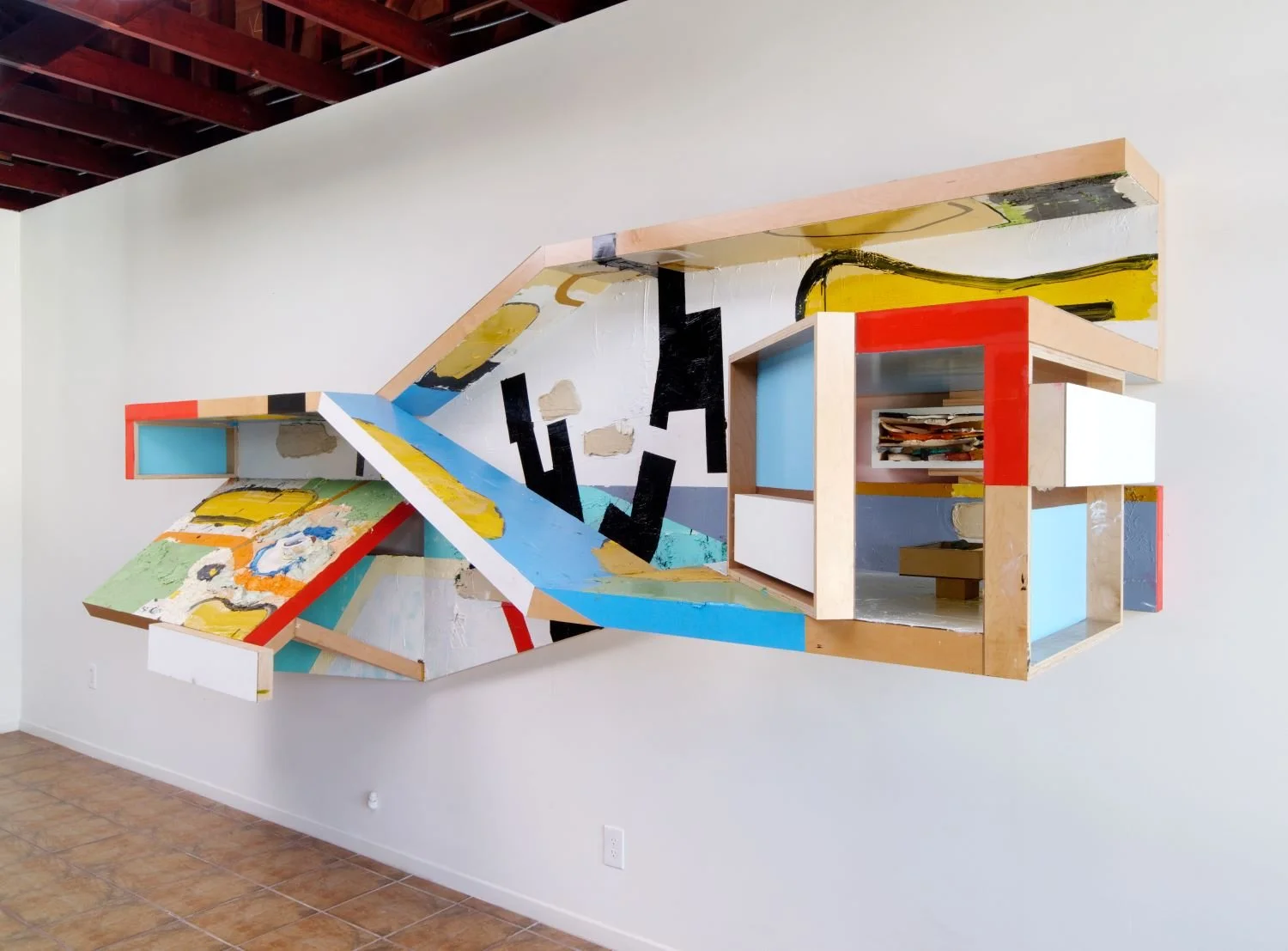
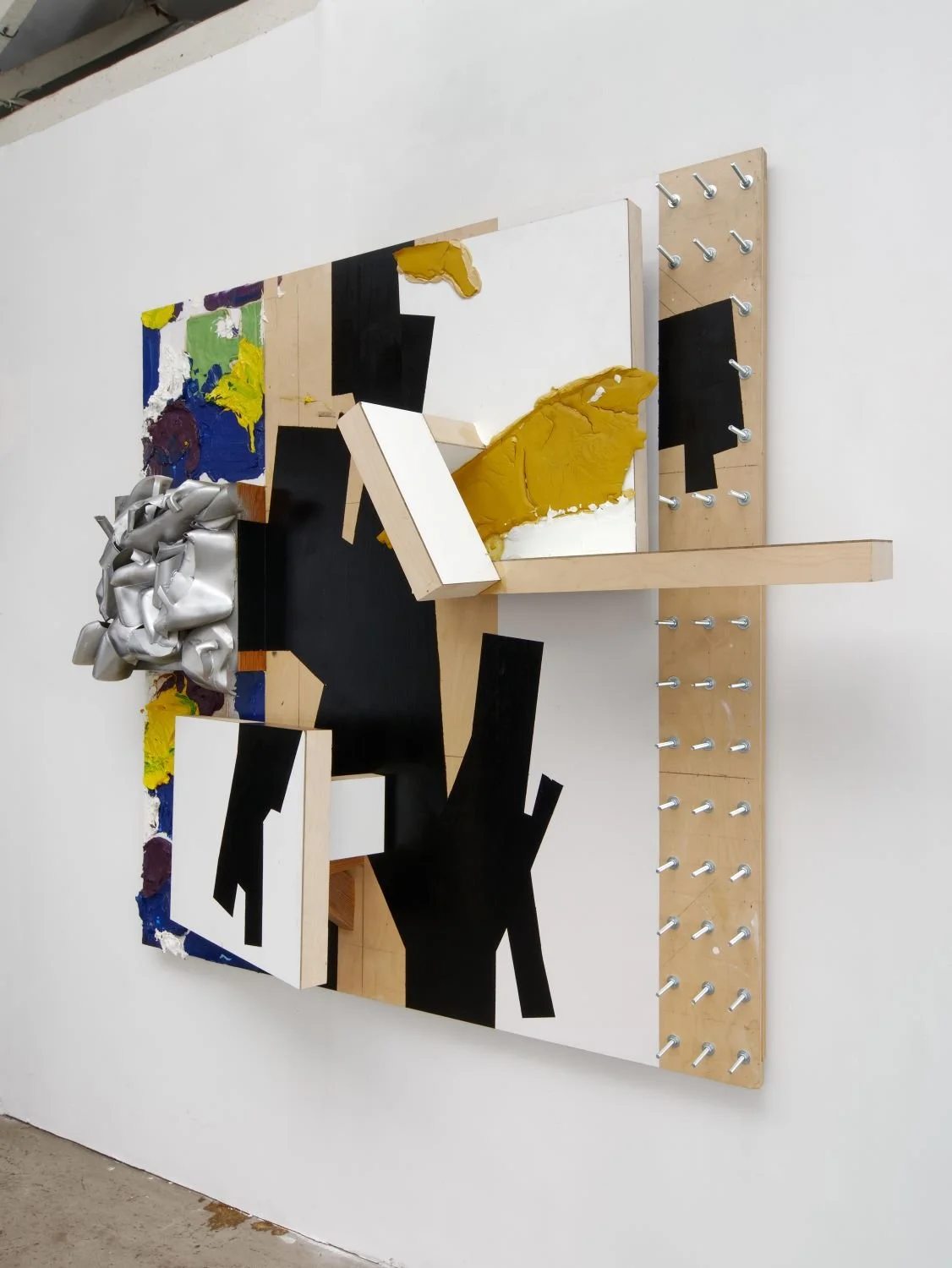
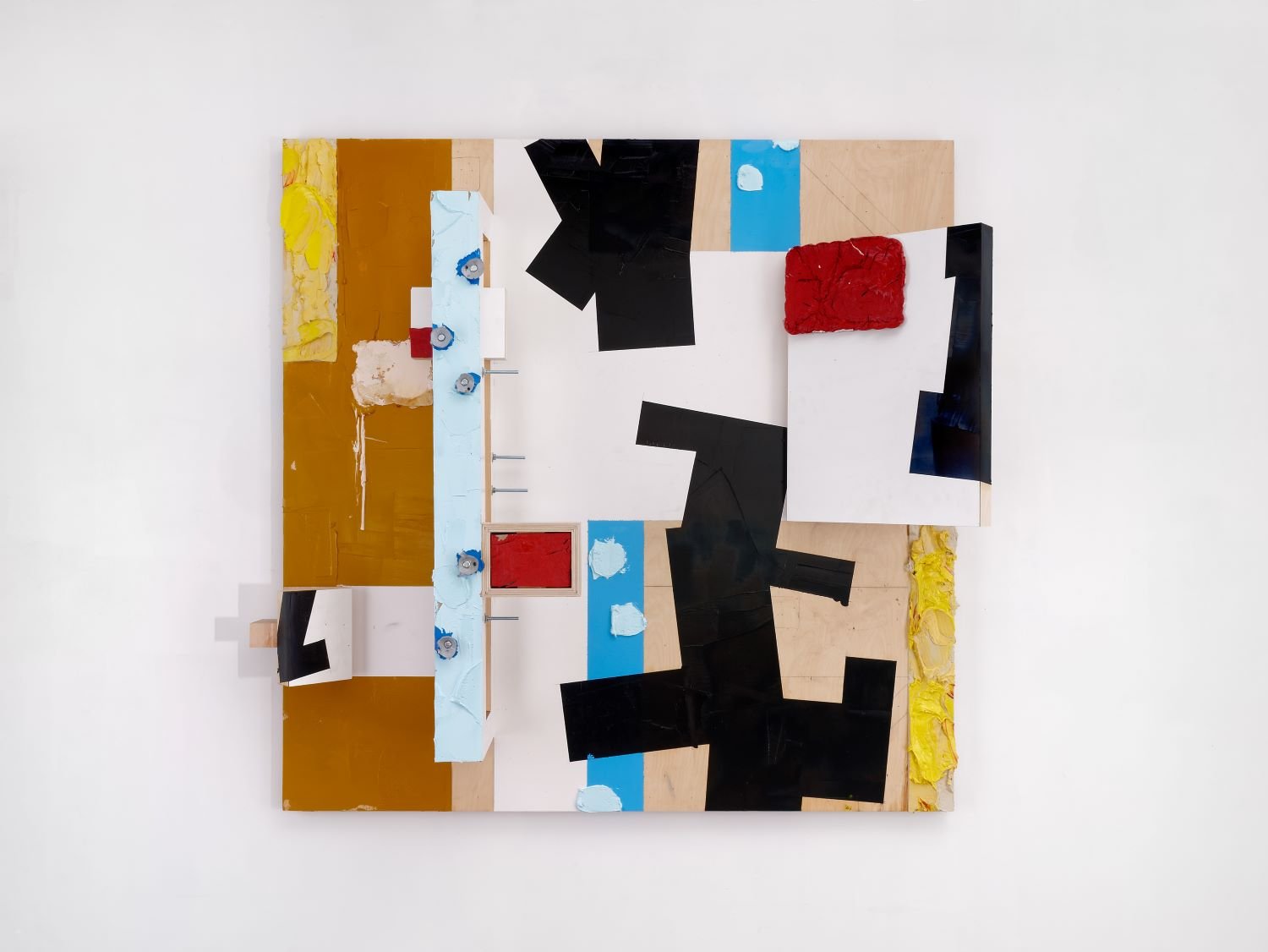
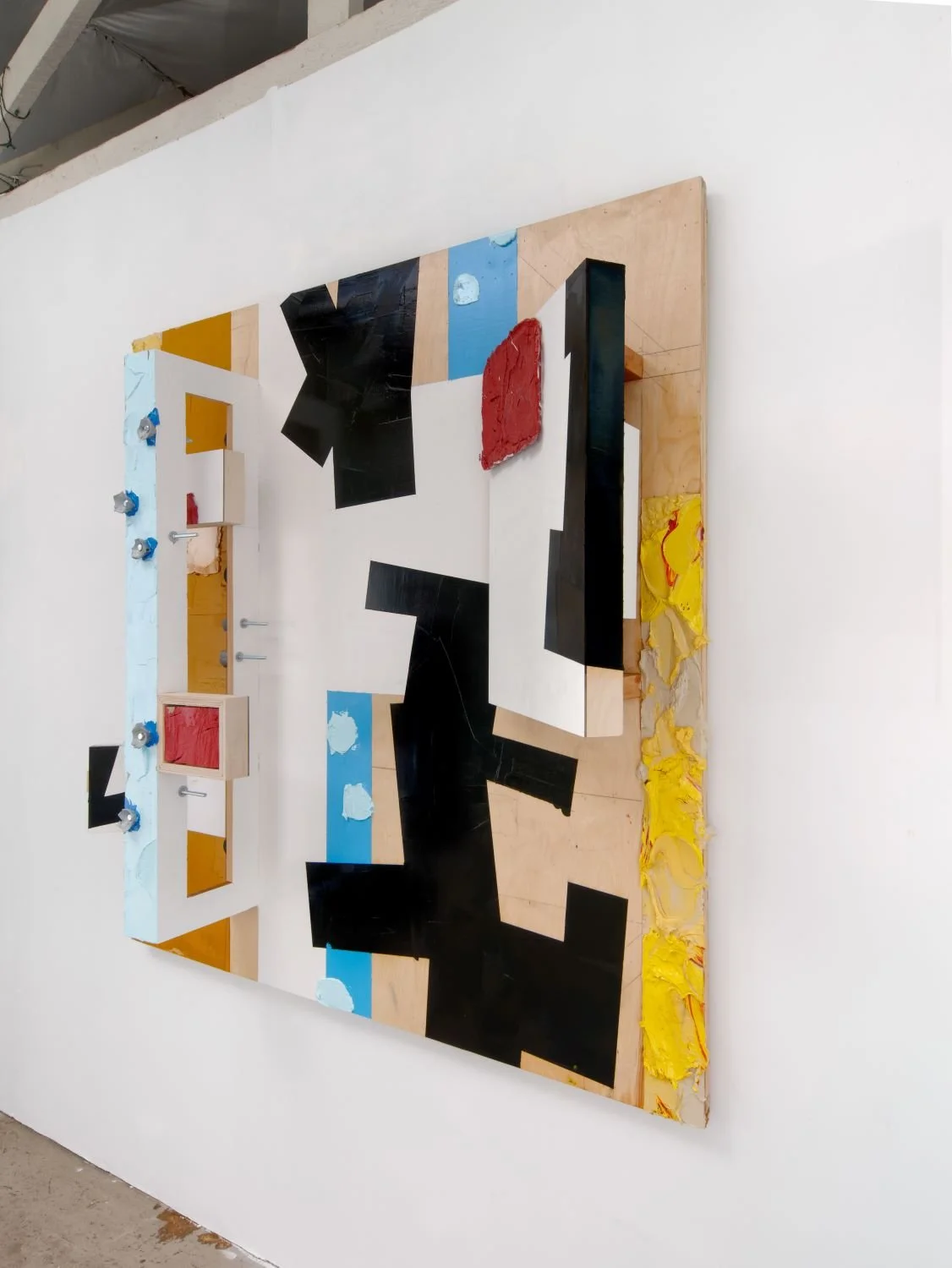
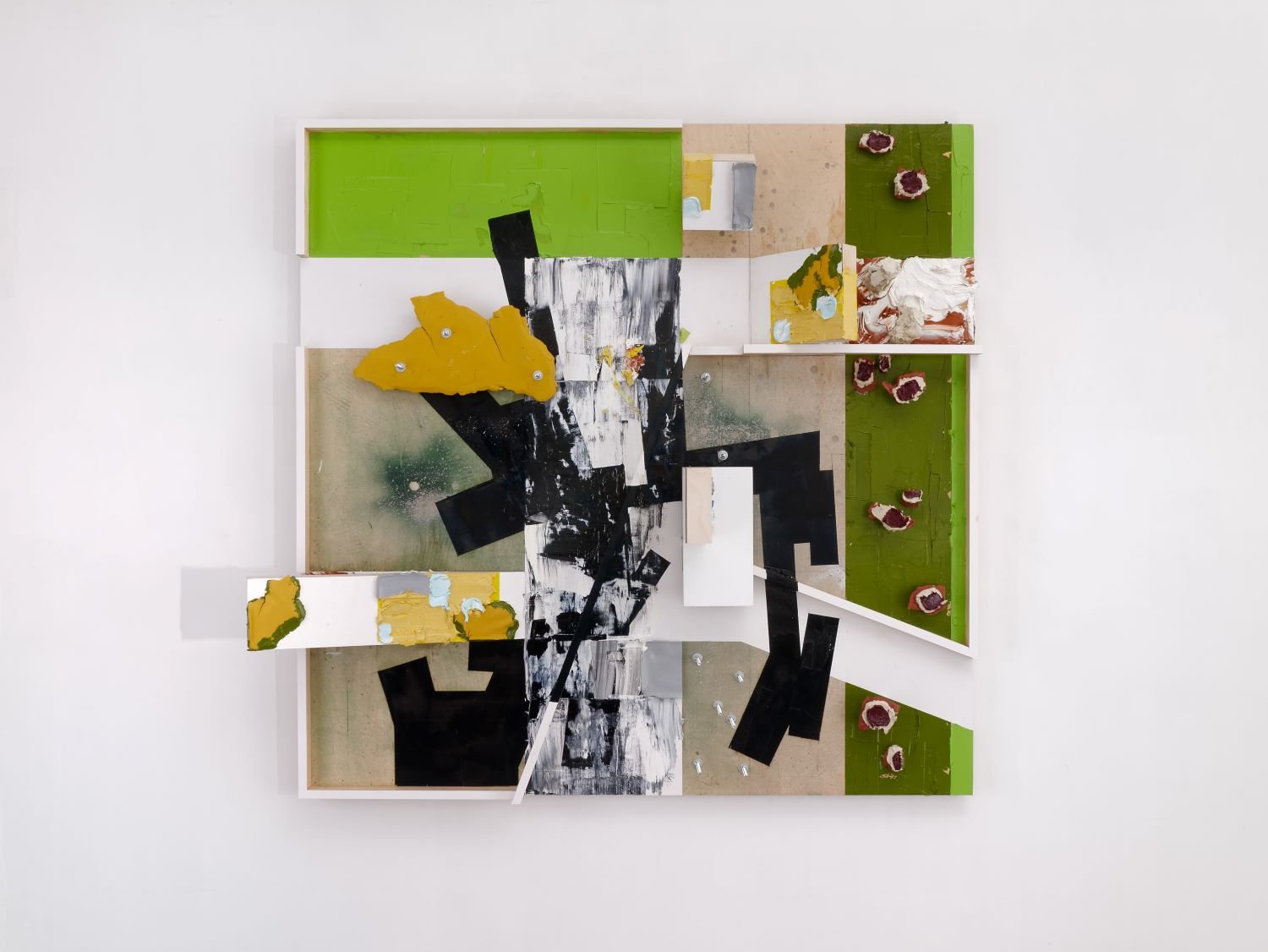
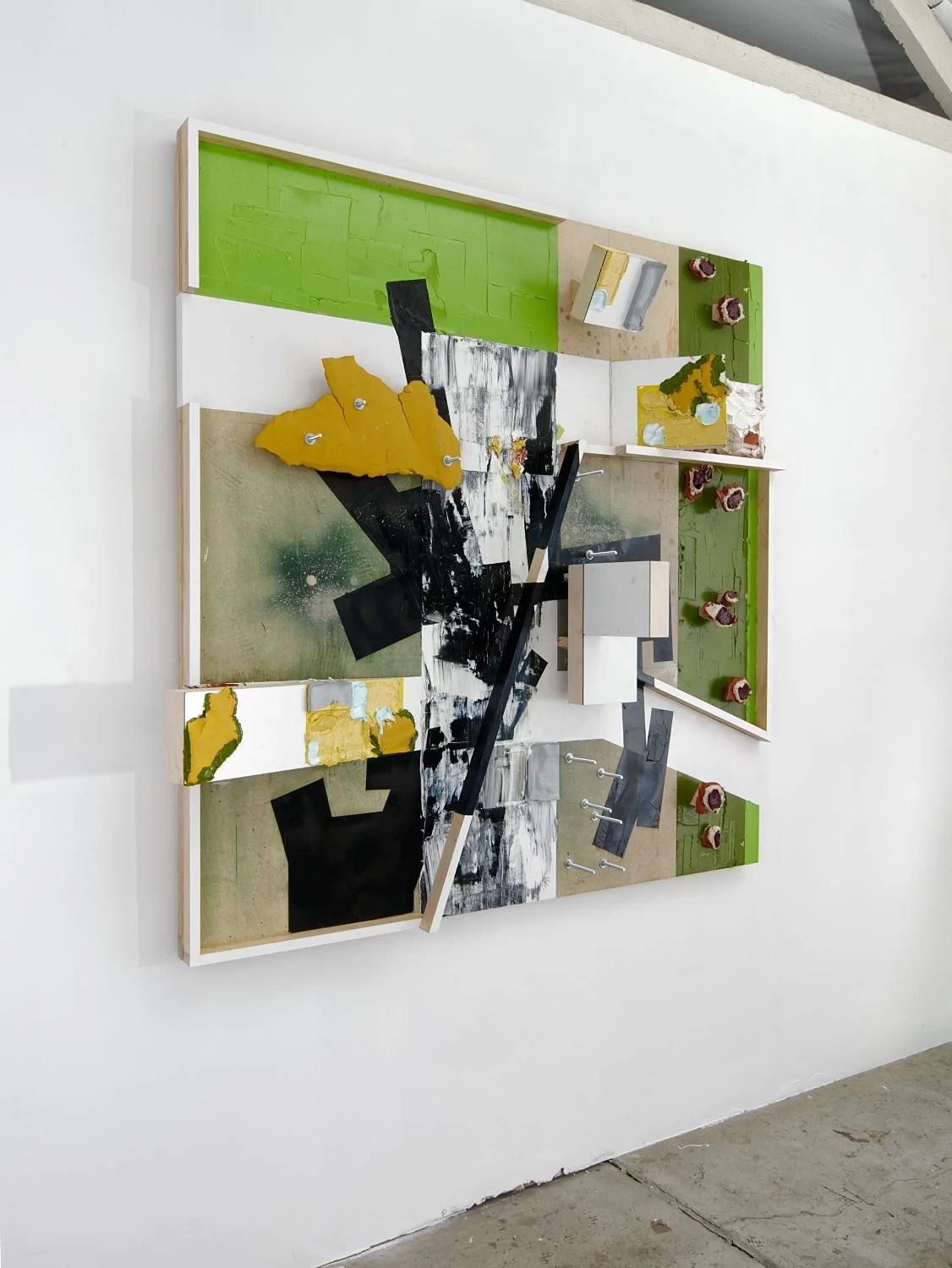
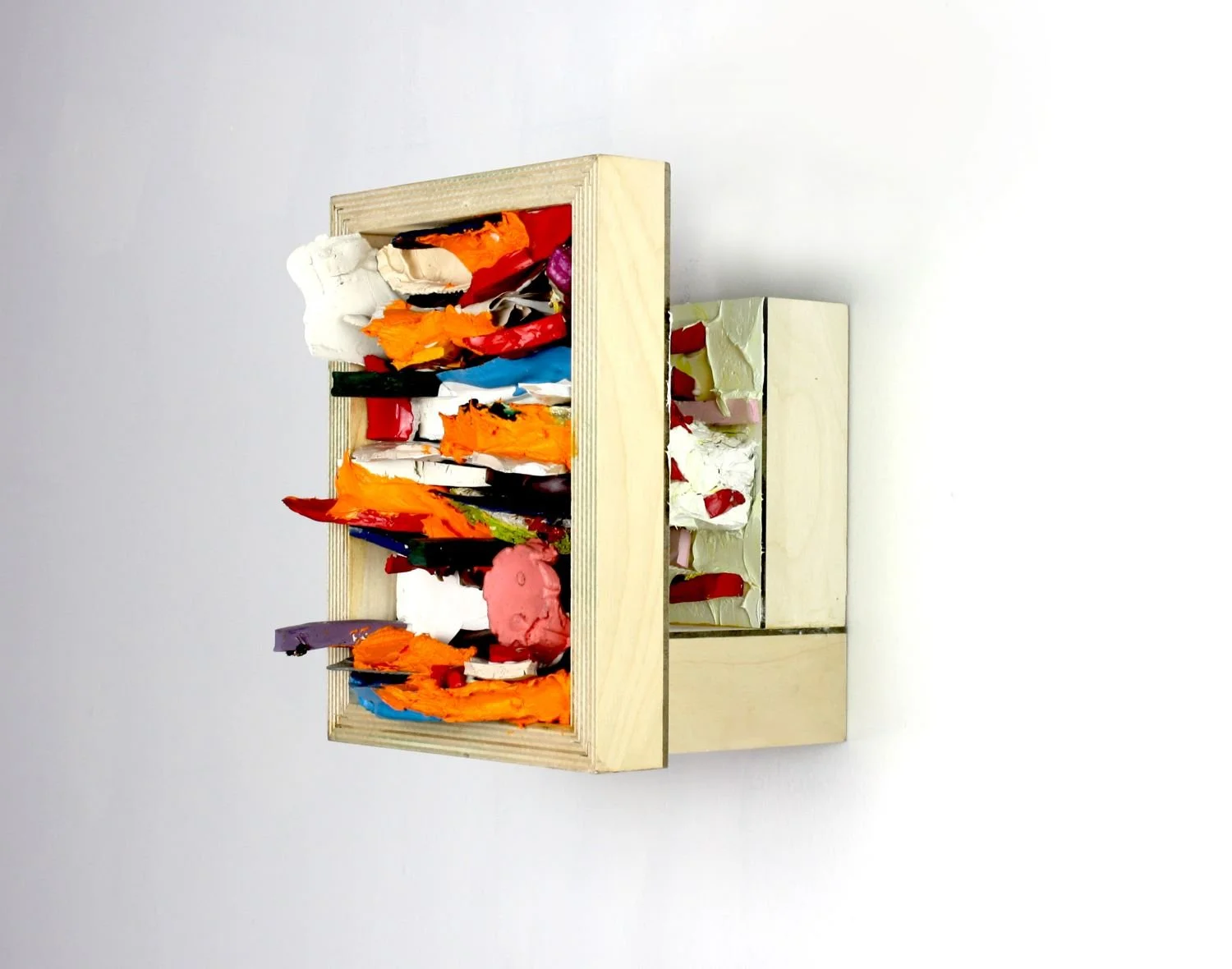
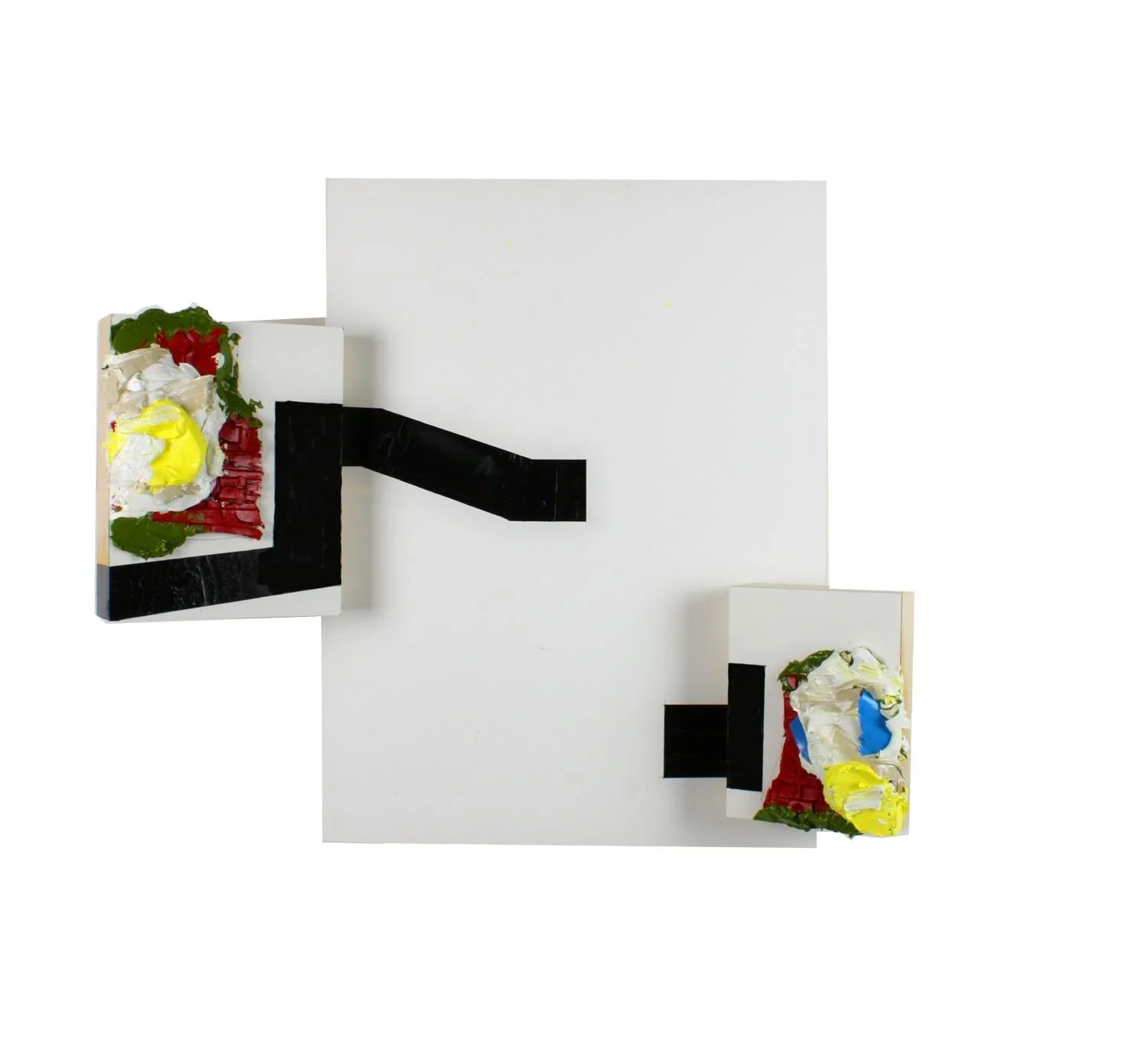
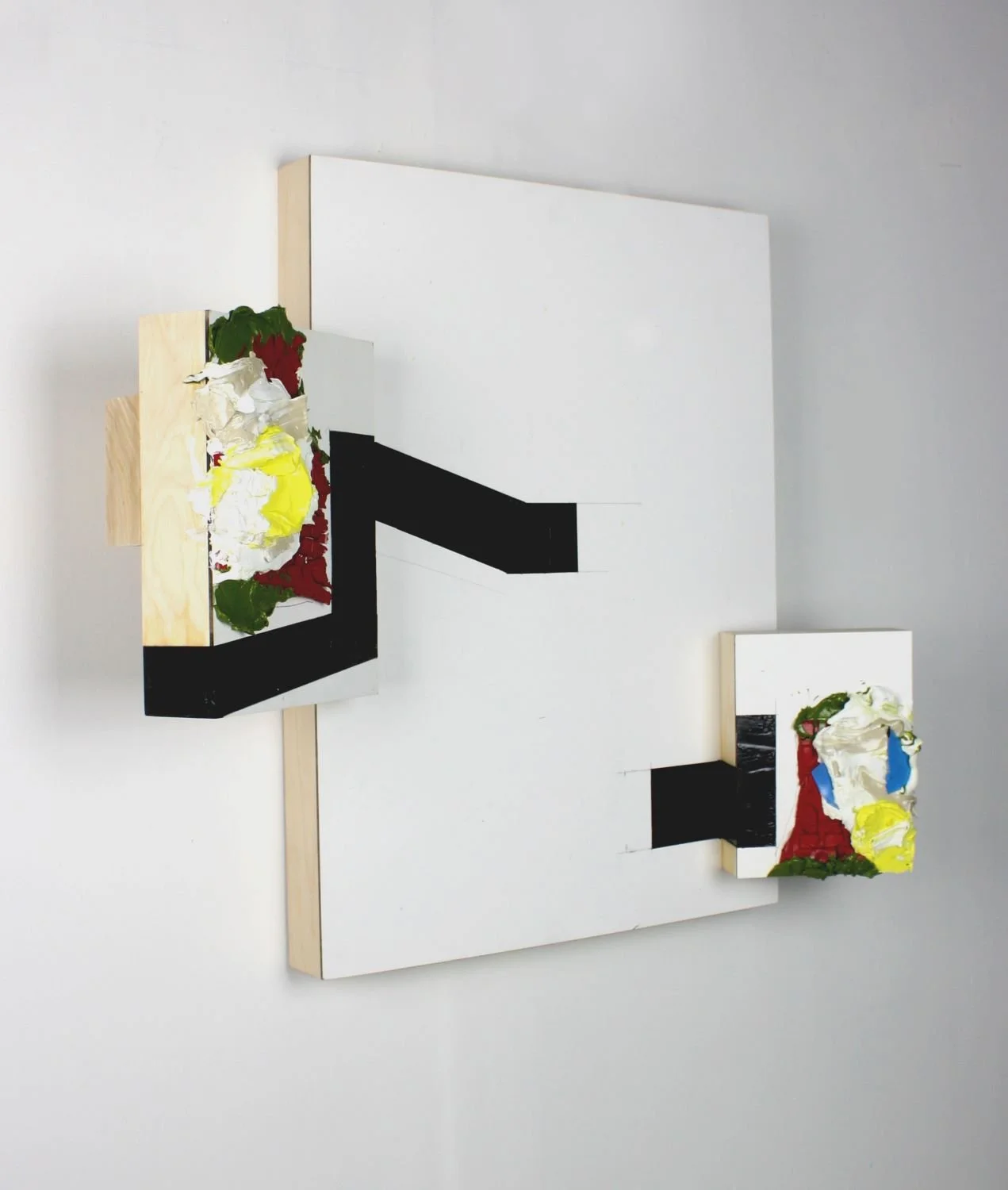
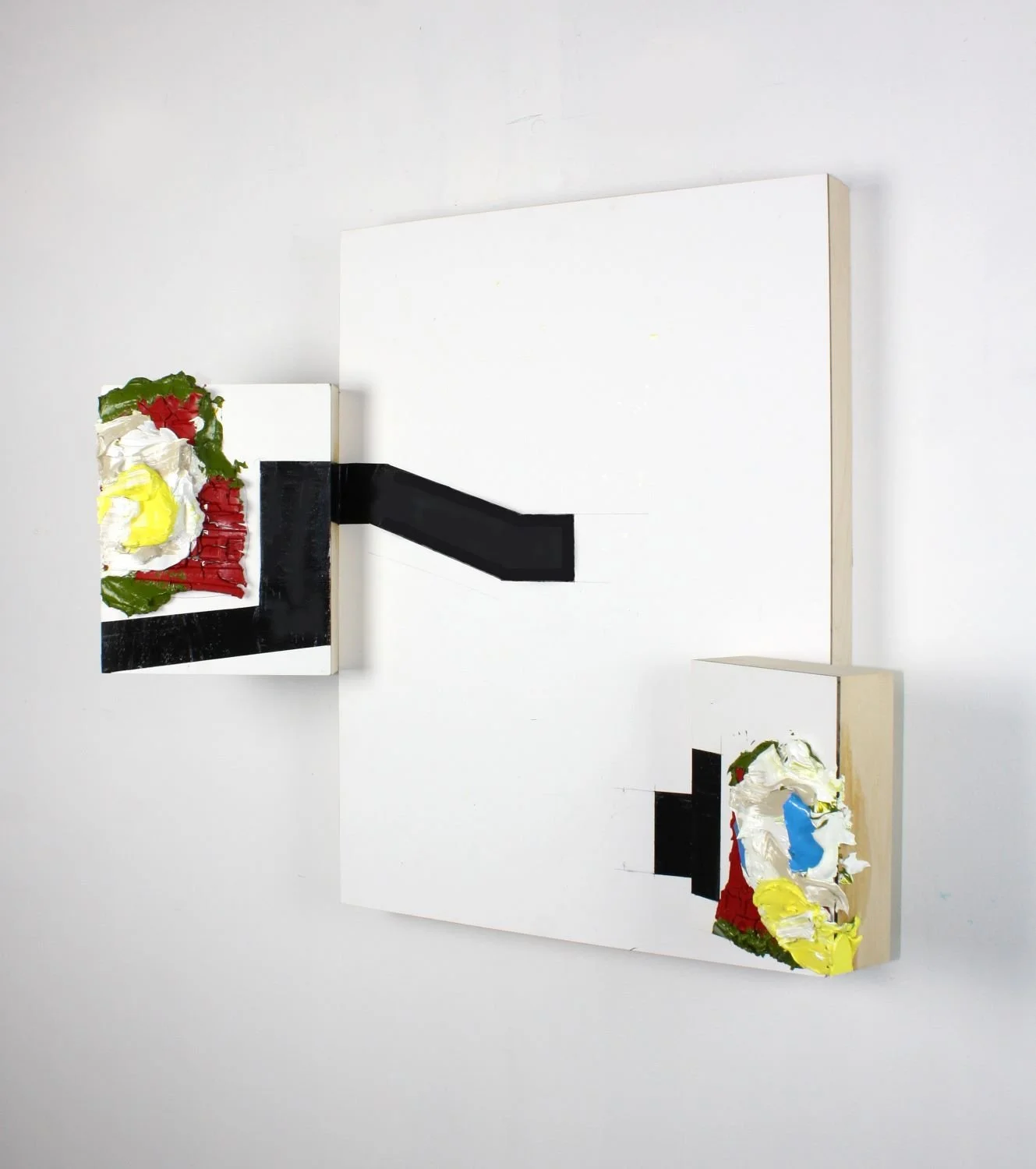
CHRISTOPHER MERCIER – EXPLORING THE FAÇADE OF PAINTING
ARTIST STATEMENT:
1) The Inquiry:
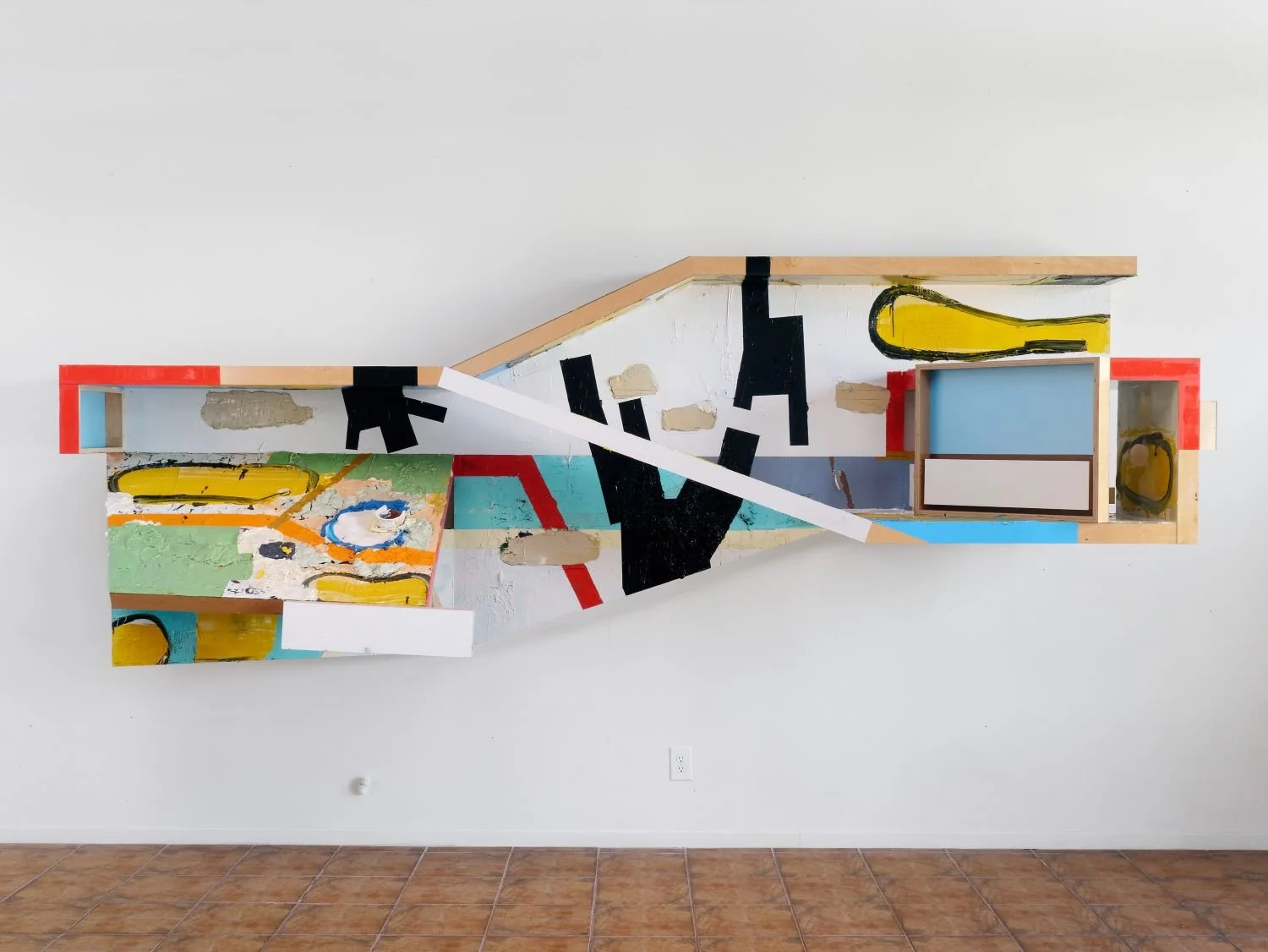
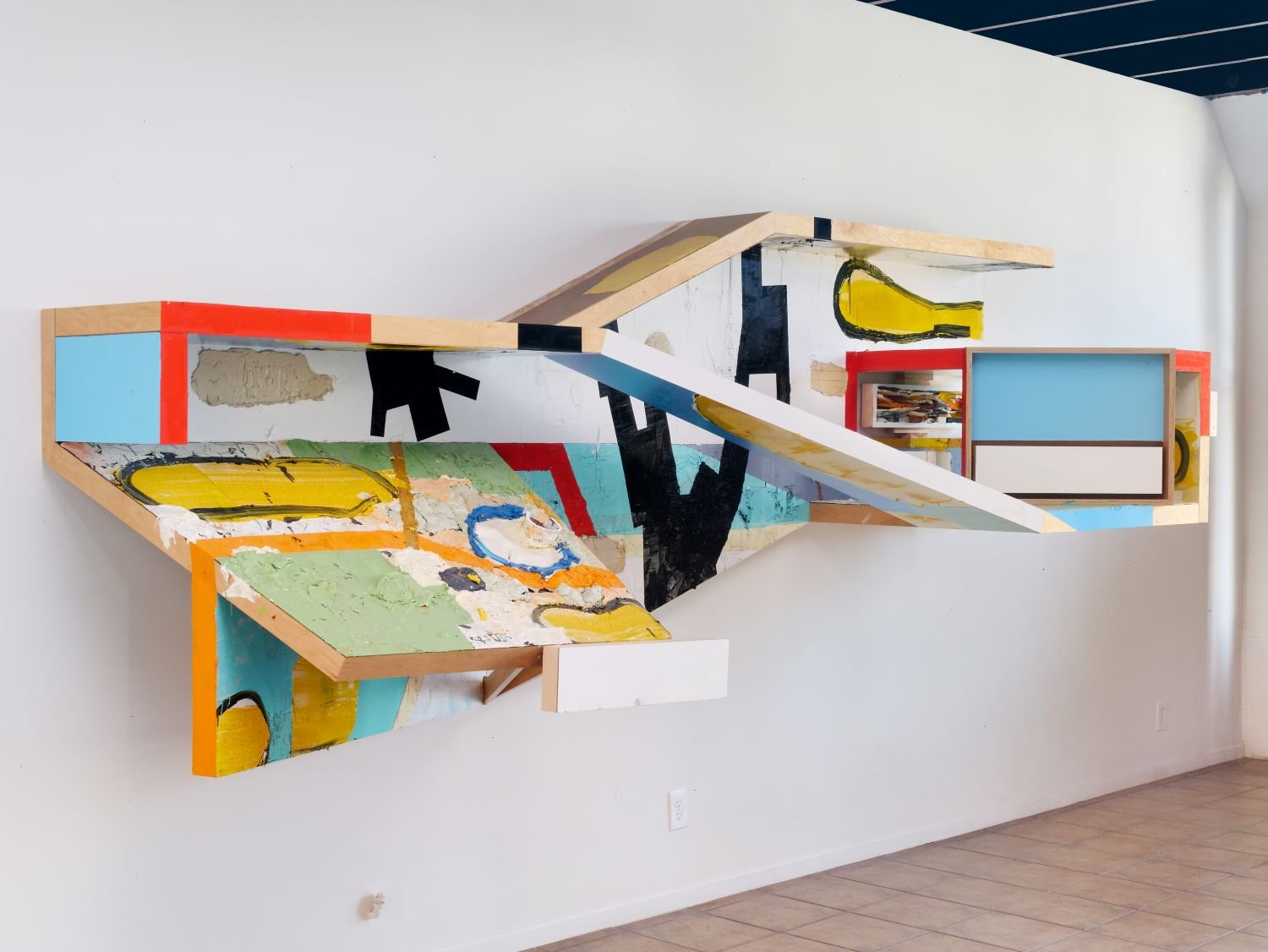
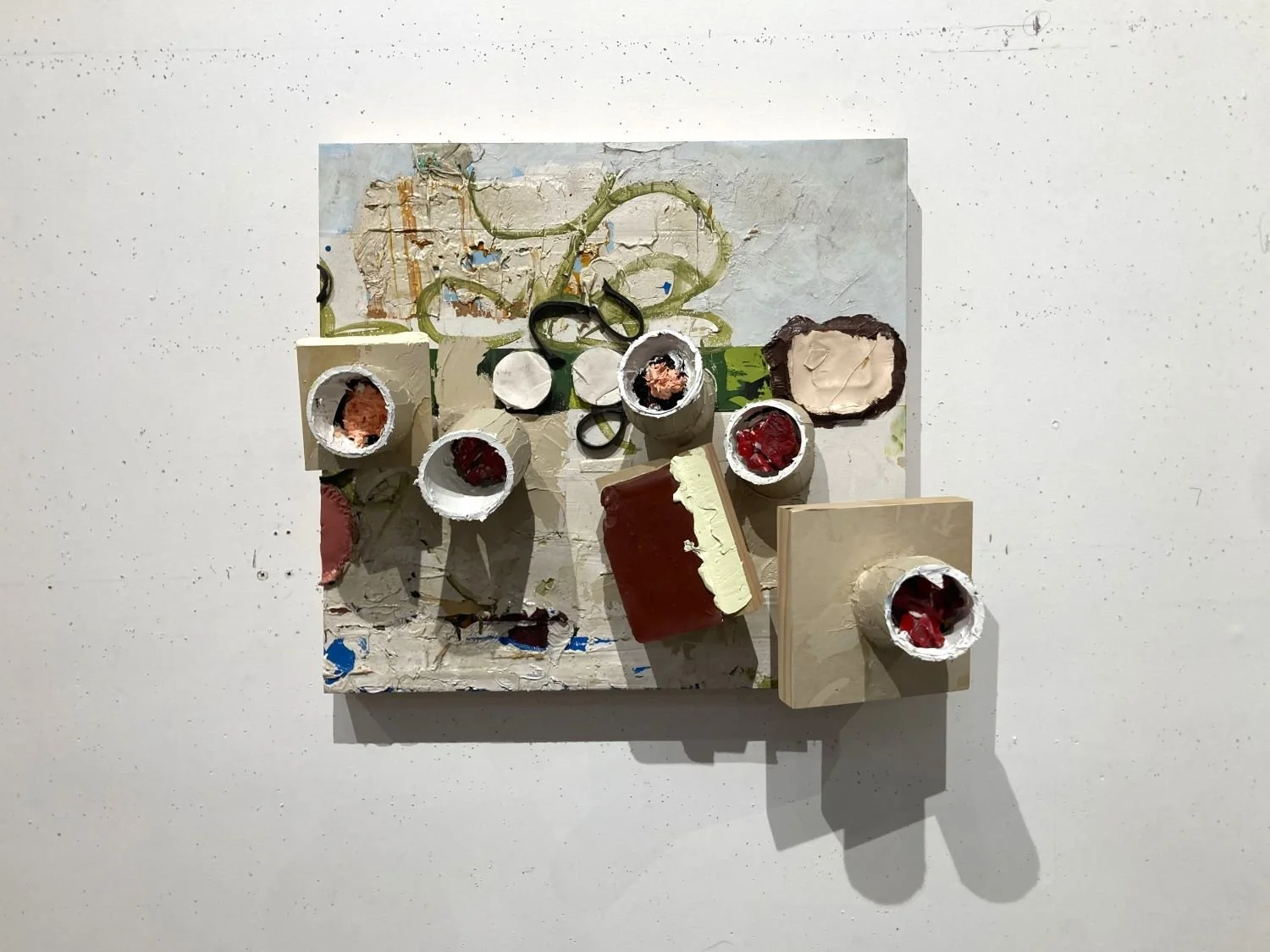
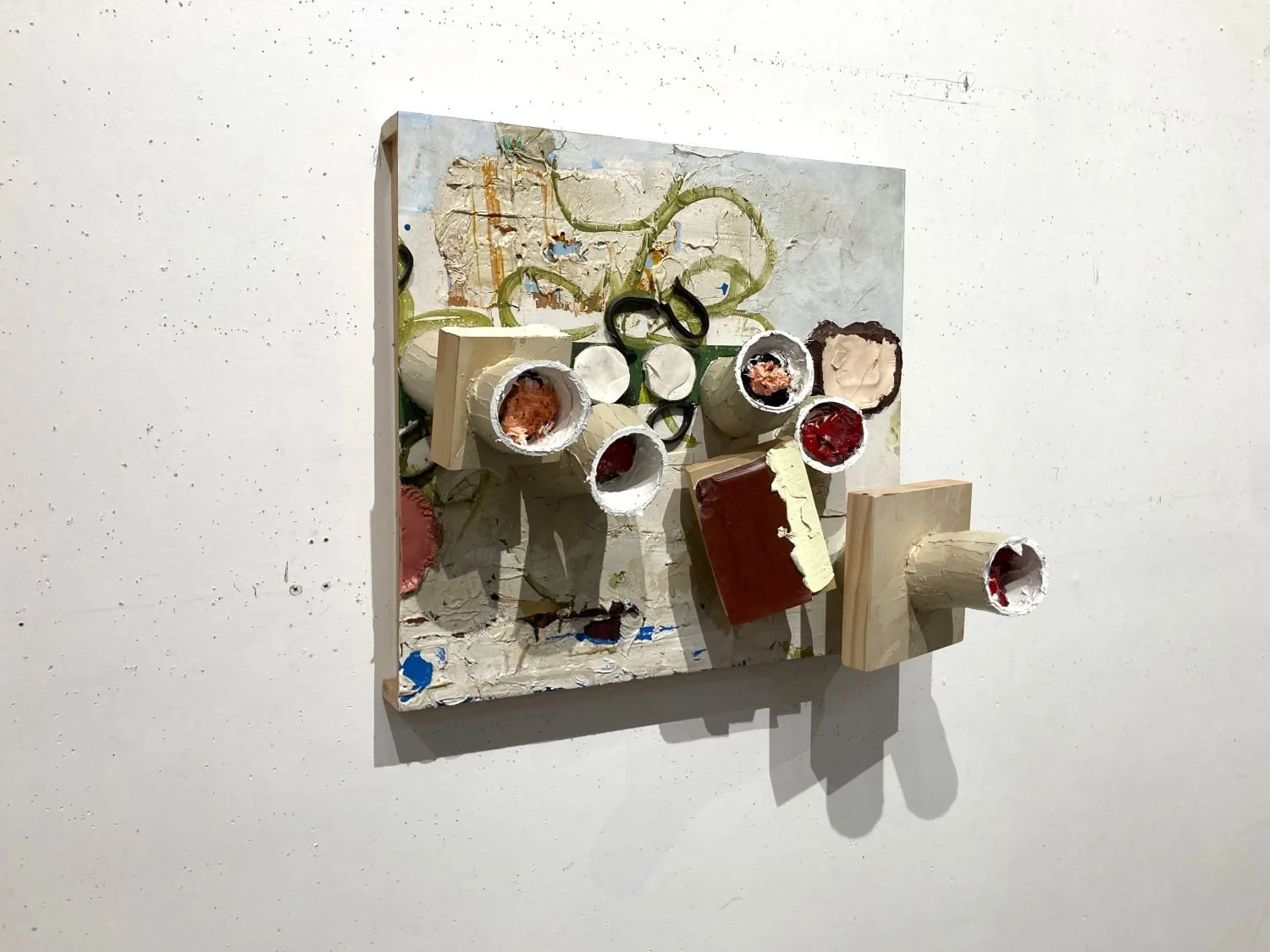
Can ‘Painting’ move beyond its two dimensional field, toward exploring alternate ways to further inform three dimensional experiences and space and still remain engaged with and linked to the two dimensional tradition of Painting? Can the ‘Space of Painting’ be expanded without becoming Sculpture (roughly defined as a three dimensional discipline) and what does that mean? Can we find new experiences and opportunities around the inquiry into the three dimensionality of Painting?
2) The Façade of Painting:
“The Façade of Painting” is not at all intended to be a derogatory position on Painting in any way and in fact it’s quite the opposite. It is simply a way of looking at ‘Painting’ and or paintings as a sort of two dimensional frontal face condition or flat façade. Something which I believe is already very familiar to the history of viewing and experiencing Painting. At the same time and more importantly, it’s intended to inspire reconsideration as to how and what a Painting can and might be by entertaining and inquiring into the type of compressed three dimensional space which many facades contain. Can a painting do more than just imply three dimensional experience within a two dimensional framed condition?
“The Façade of Painting” is asking,” Can a painting find physical depth within the compressed space of the picture plane and still occupy a sense of pictorial framing? Can the picture plan be manipulated? Can the frame of Painting and its relationship to the picture plane and to the viewer’s position in physical space be modified to allow for a sort of compressed three dimensional experiences and if so, still be considered Painting?” The intent being to see the surface not as an impenetrable smooth two dimensional flat shield but instead as something that has many levels, layers and conditions that can be exposed and revealed in a sort of depth exploration.
3) Conclusion:
‘Exploring The Façade of Painting’ is intended as method of seeing and thinking to help reinvent the opportunities around the creation of Space (beyond two-dimensionality) for the Discipline of Painting. The intention is to look for a way to expand the viewer’s ability to participate and engage with Painting beyond just the visual and mental response to imagery. To support and encourage a more biological and physical relationship experience with Painting that is both in response to its mental and imaginary construct as well as its condition as an three dimensional object forming, defining and presenting three dimensional space. The hope is to expand the experience of Painting into three dimensions (physical space), while at the same time keeping it fully engaged in it’s highly unique, specific and rich history, of two dimensional space.